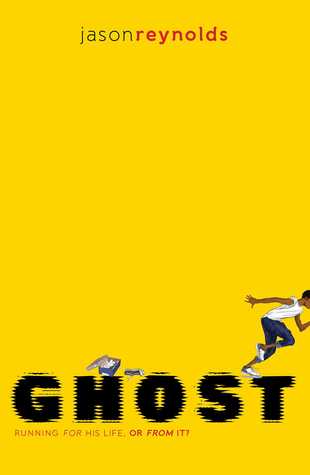
Reynolds, J (2016). Ghost. New York, NY; Simon and Schuster.
Summary
Castle "Ghost" Cranshaw has been running almost his whole life. He has a lot to run from. His home life is less than desirable. His father is an alcoholic and he doesn't have much support at home. He dreams of having a better life preferably be become the best at something. He stumbles upon a track team at practice. He doesn't see the purpose because as he sees it running is just something you do. There is no need to practice at it. Soon Ghost moves from survival mode to surviving mode. He begins to see a future and develops relationships with his teammates and coach. His coach's life in particular help Ghost realize what potential is. He is a former addict who has turned his life around. He sees that there is a possibility to escape the ghetto by running but not literally running. Just using as a means to get ahead. By the end, Ghost realizes that they is a chance for something better and you can turn your life around.
Commentary
It is hopeful to see males as protagonist in books where they have positive role models. The image of Ghost running from his father when he tried to shoot him is heartbreaking. It is because events like this are true for many kids in our schools today. I understand this book is supposed to be the first in a serious. I can't wait to see more. Jason Reynolds saw a need for literature with characters that reflected people that he know or that were like him. Novels like Ghost are needed especilly to encourage young minority boys to read.
Connection
Author Interview
Reading group guide
Connections to text
Realistic fiction should include plot structure that could happen. Young Adult literature should include characters and situations that young people can identify with. Jason Reynolds purposely wrote a book with a young black male as the lead. He wanted characters that looked like him that were involved in situations that black males were familiar with. So the conflict in this book is character vs self and society and character. The main character changes due to the other characters and events. Growth and maturity is shown. This is common for young people at this age.

